$3,488–$4,800 · Condo or landed, not HDB · AVS licence BR25052 · updated September 2026

Labradoodle Singapore

Labradoodle Singapore, the short answer: $3,488–$4,800 from Puppy Singapore, an AVS-licensed seller, vet-checked, vaccinated and microchipped under licence BR25052. This cross is not on HDB's approved list, so it is a condominium or landed-property dog here, and it lives 12–15 years.

There is a second thing to know before the price, and it is the one nobody puts in writing: the adult size of a Labradoodle is a range rather than a number.
Available now

Labradoodle Singapore: available now

Labradoodle Singapore price searches usually end at an enquiry form. Every Labradoodle puppy here carries its price on the card instead, before any enquiry. Check your housing first, because for this cross that is the question that decides it.

We have no Labradoodle right now, and the last litter has gone home. Gaps are normal rather than a sign that something is wrong.

  • Tell us roughly what adult size you are hoping for and we will tell you honestly what the next litter's parents are.
  • Meanwhile, the puppies here now sits on one page.

With us this week, for a condo or landed home

These are not Labradoodles and they are not a substitute for one. They are the breeds we have puppies of today that suit the same kind of home, counted from the same roster the availability page renders.

The puppies that come closest

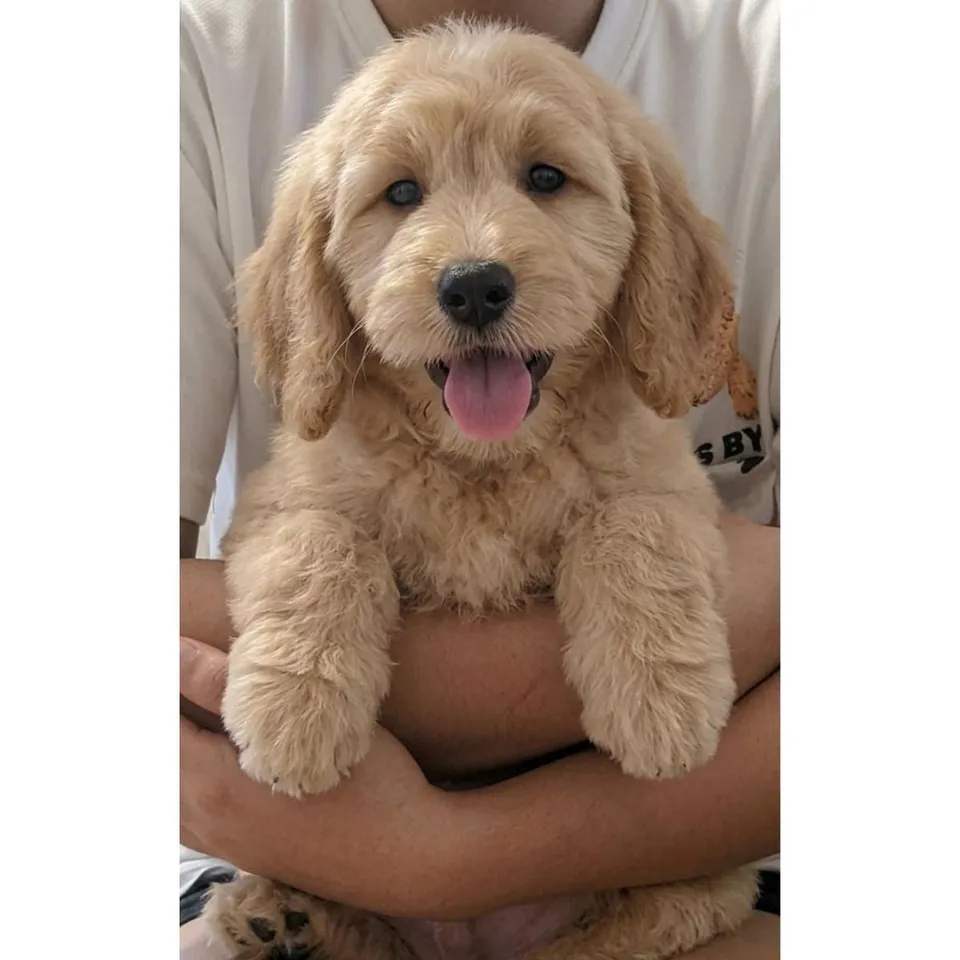
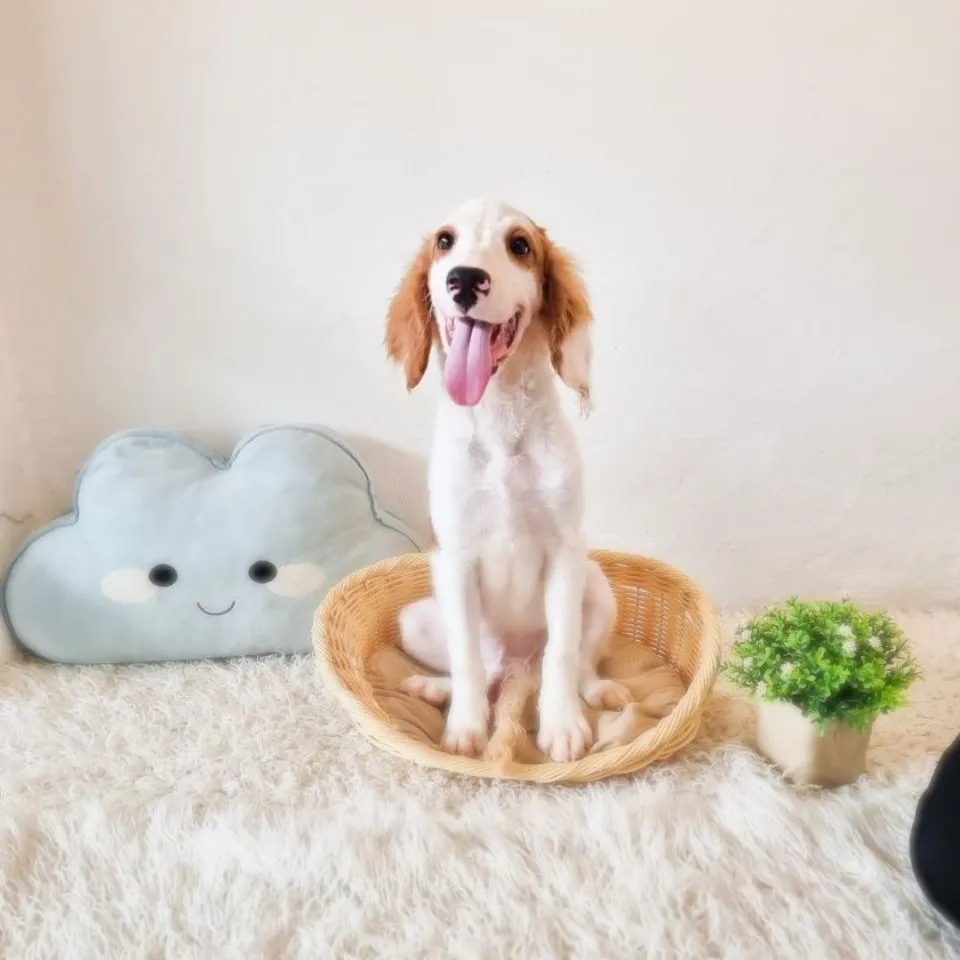
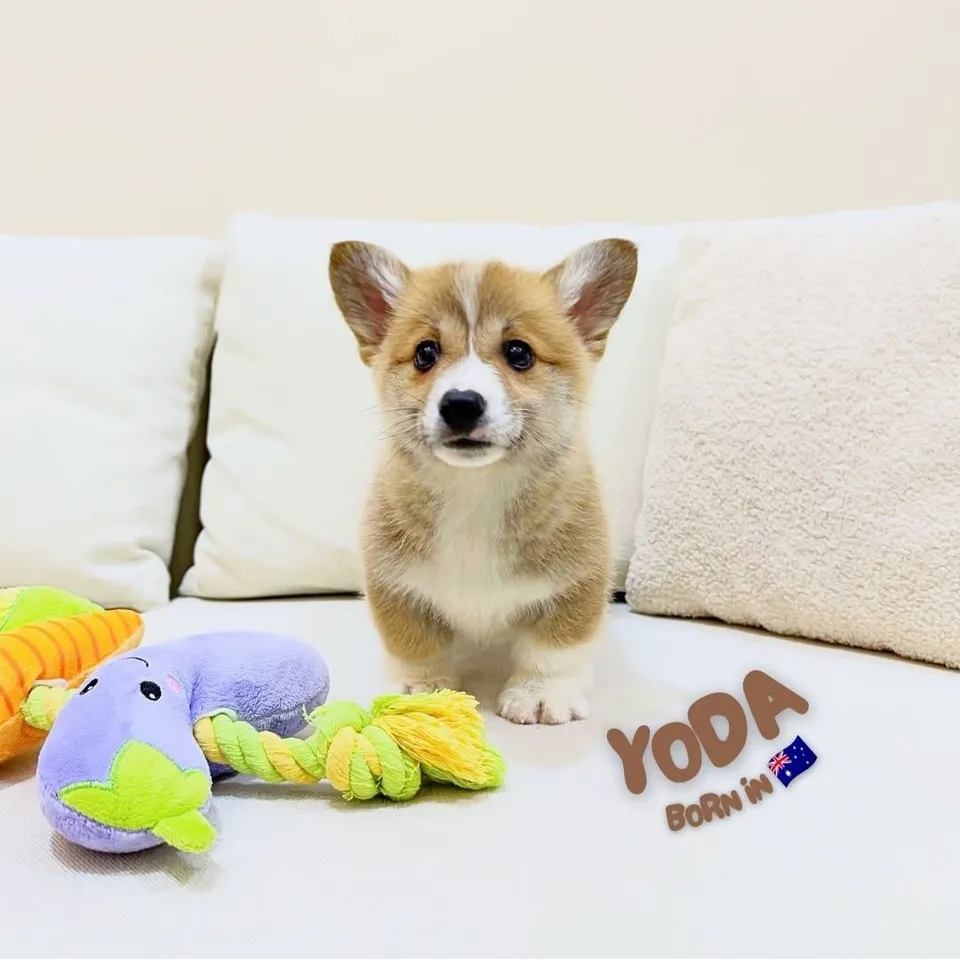
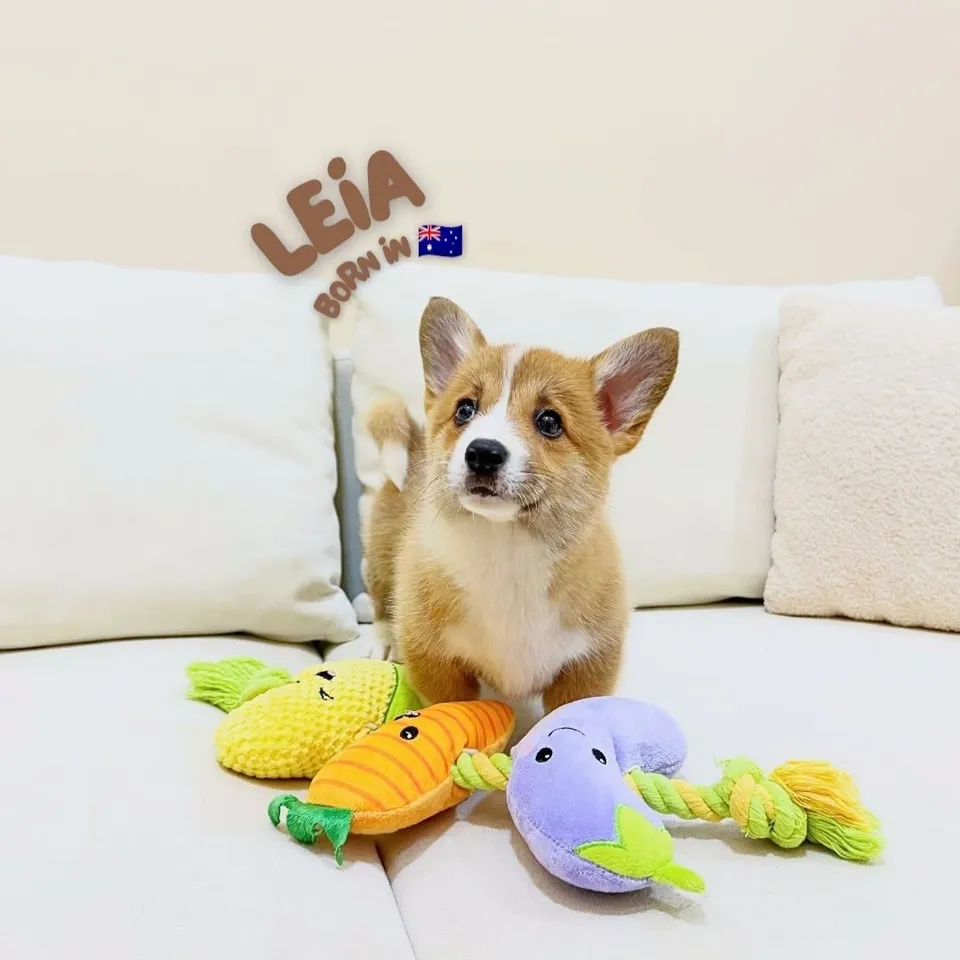
Real puppies at the farm today, photographed and priced, from the breeds above. Message us about one and we will send video the same day.

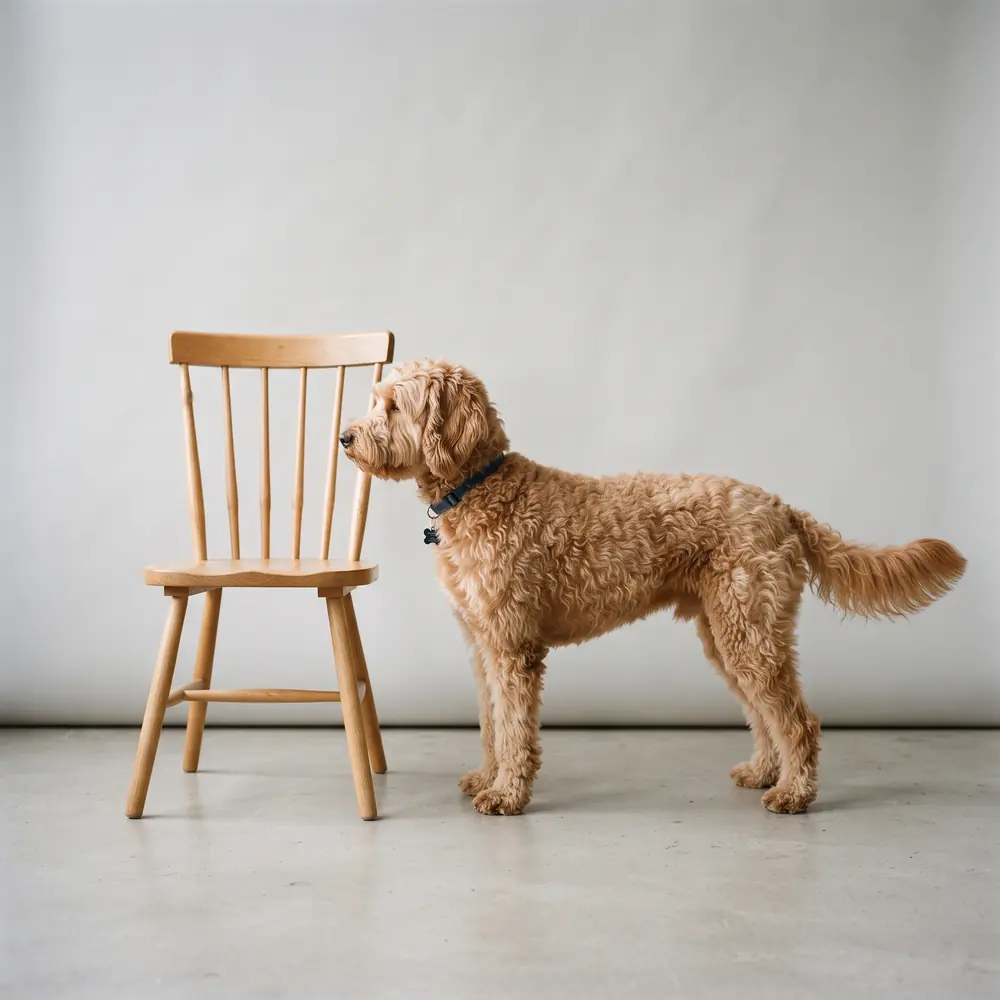
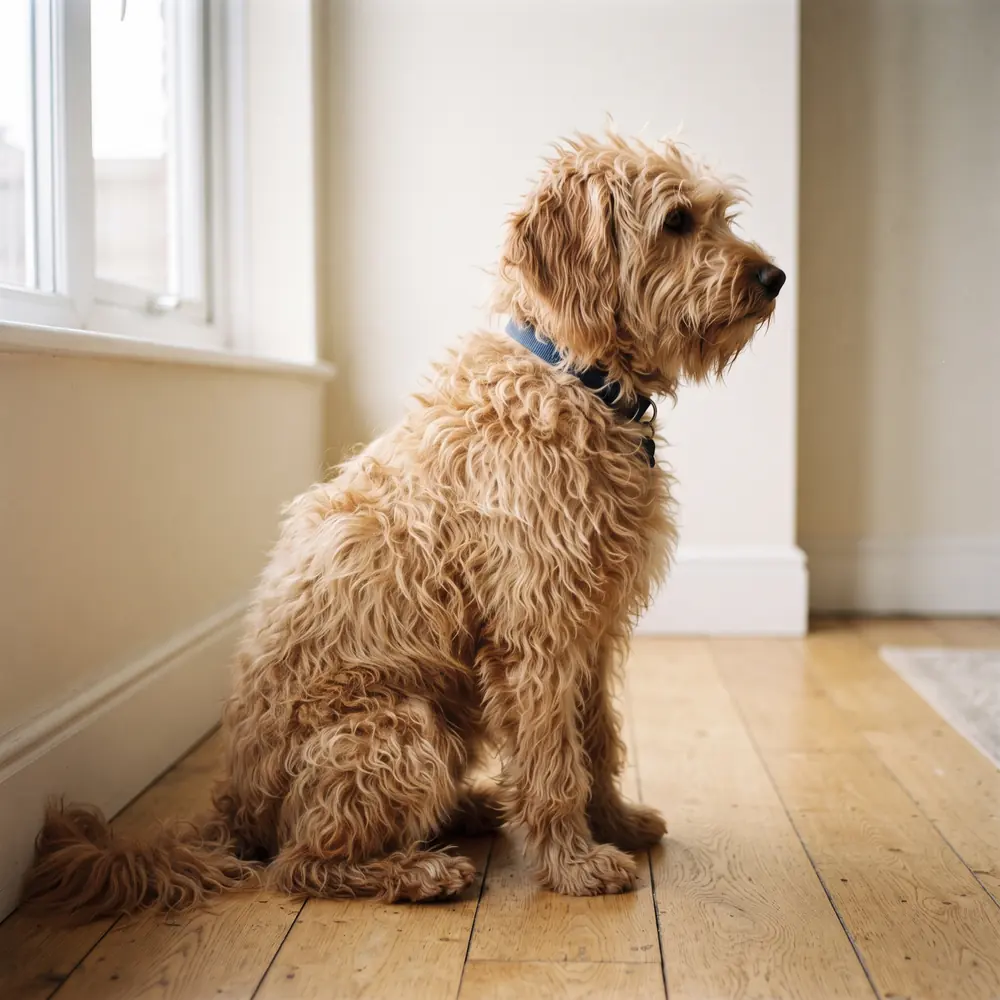
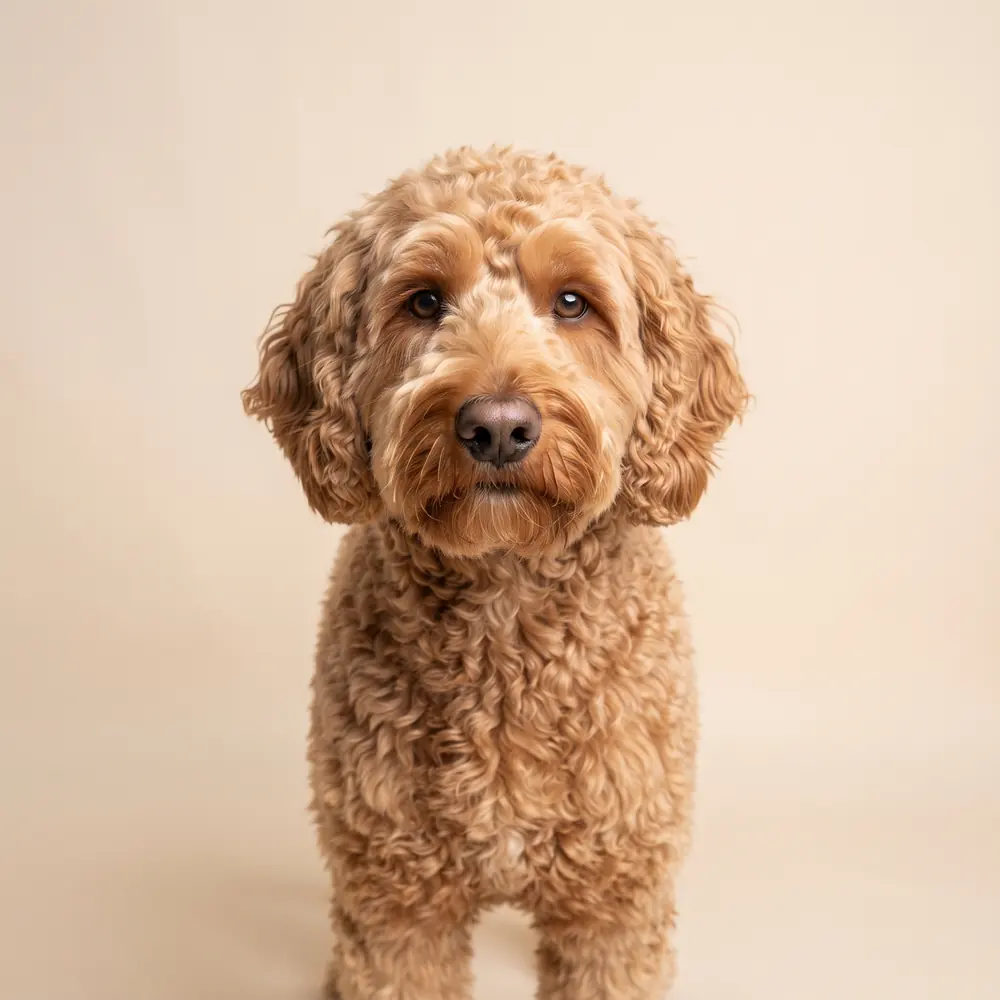
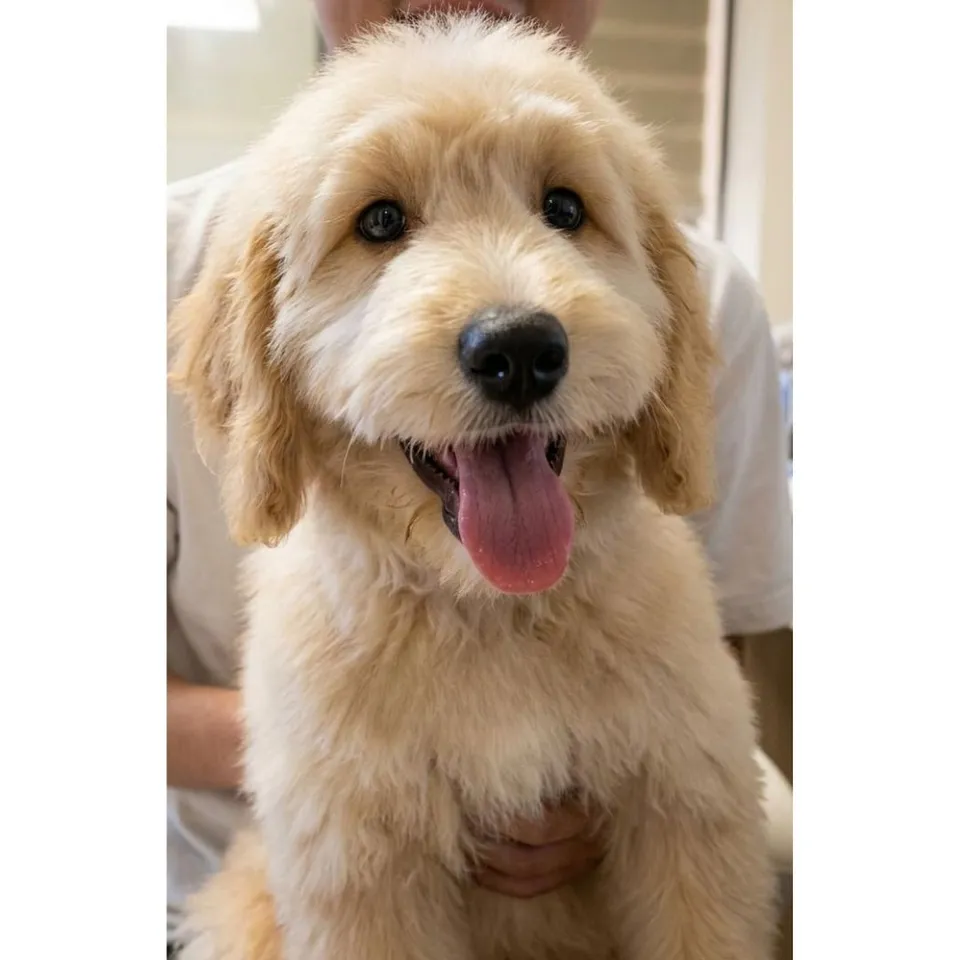
What a Labradoodle looks like

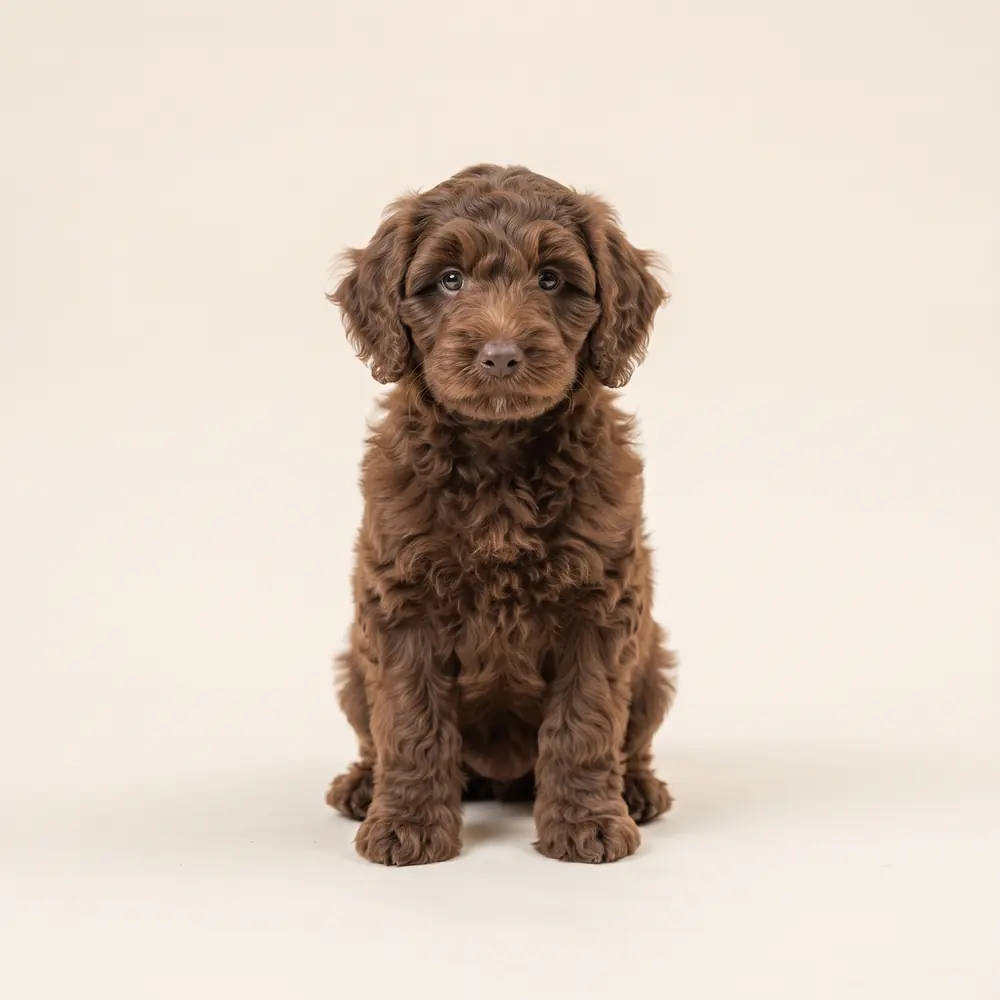
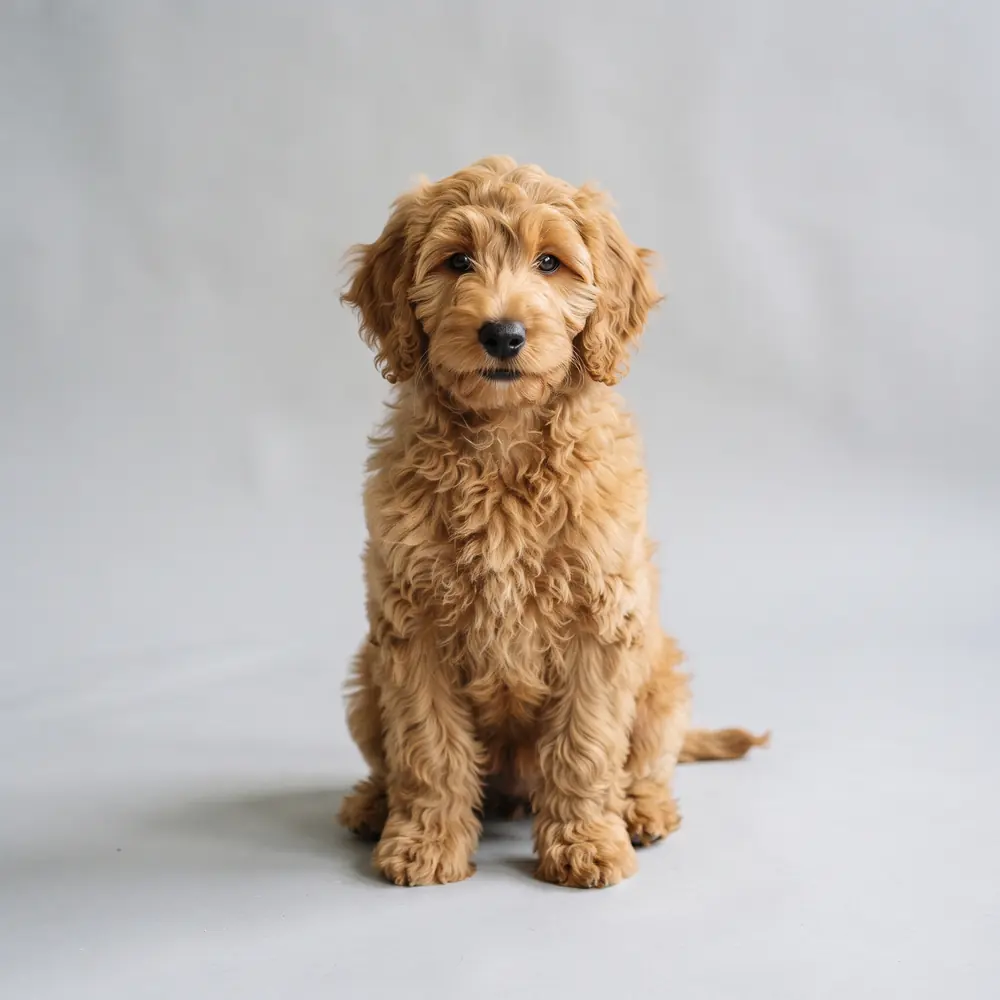
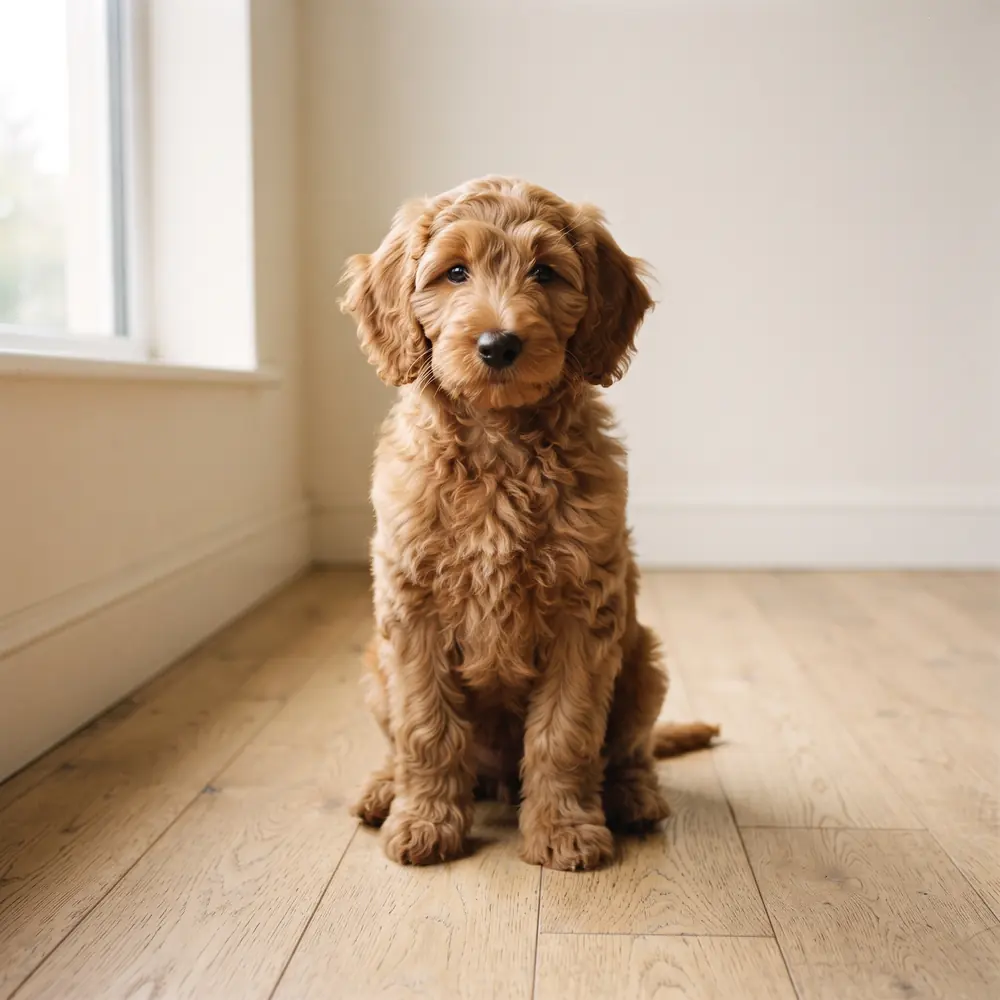
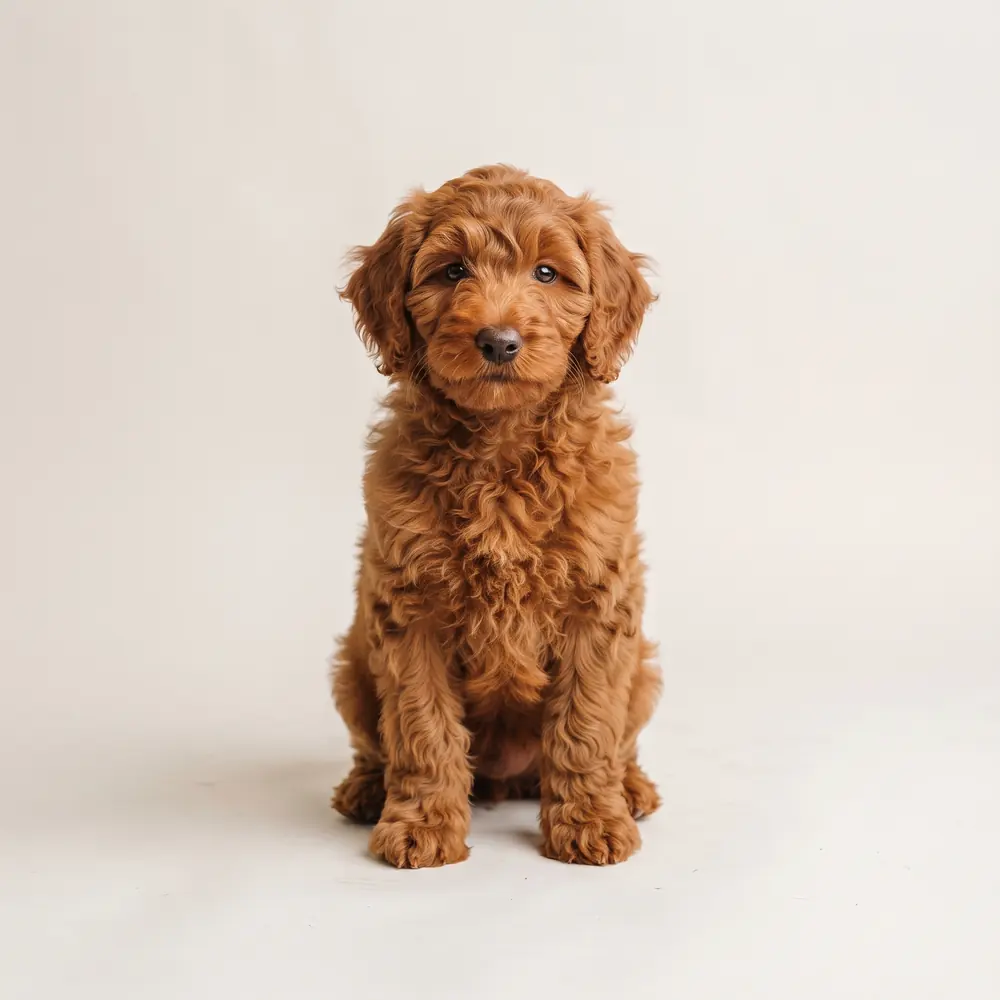
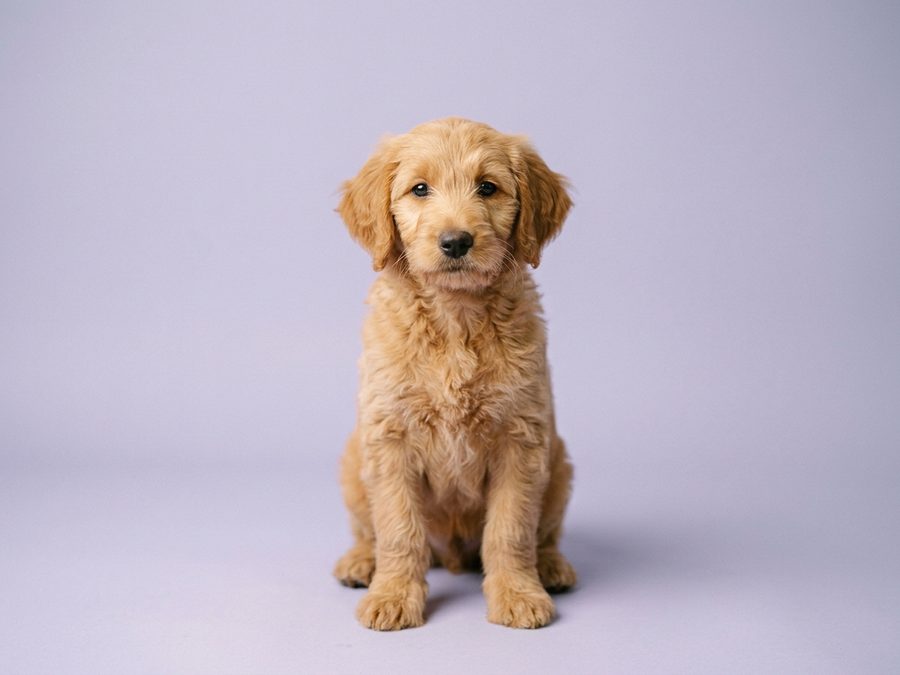
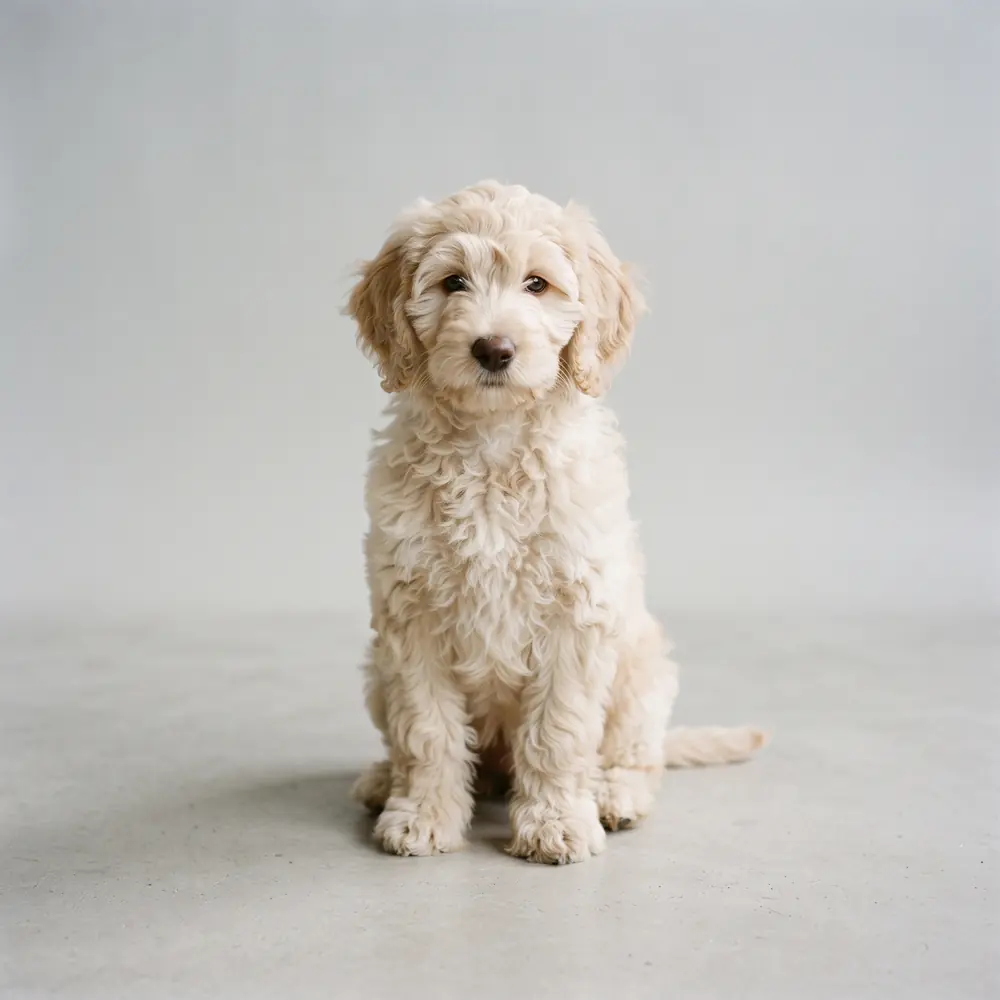
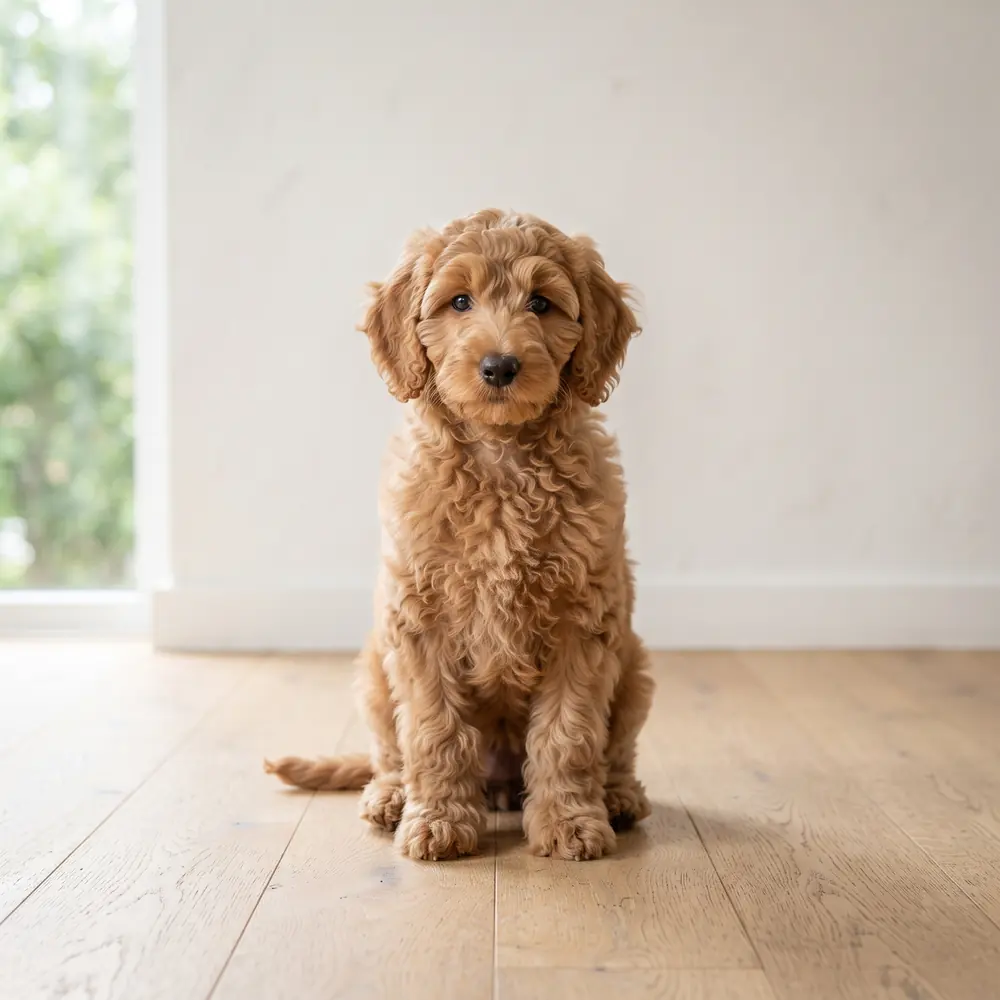
Nine illustrations of the breed: the coat colours a Labradoodle comes in, the size it grows to, and the coat between grooming appointments. These are drawings of the breed, not photographs of puppies for sale. Every puppy we really have is photographed and listed on the availability page.
The three facts that decide this cross for a Singapore buyer

Price: $3,488–$4,800
Published before you enquire, and at the cheaper end of our own list rather than the expensive one.
Housing: not HDB
Not on the HDB-approved breed list. Condominium or landed only, and a smaller one does not change it.
Size: 12–30 kg
The widest adult weight range of anything we sell. You are choosing a range, and the next section shows exactly how wide.

How much does a Labradoodle normally cost?

A Labradoodle puppy costs $3,488–$4,800 from an AVS-licensed seller in Singapore. That price includes vaccinations to date, deworming, a vet health check, a microchip and health certification. Age, sex and litter move a puppy inside the band, and colour does not.

How big does a Labradoodle get?

Our own breed data gives 12–30 kg. That is the widest adult weight range of any breed we sell, and it is not close.

A 18 kg spread, against 16 kg for the next widest. The reason is structural rather than careless: a Poodle comes in toy, miniature and standard sizes, so a Labradoodle inherits a range rather than a size.

Adult weight spread, this cross against the next widest we sell

Adult weight spread by breed, Labradoodle firstThe Labradoodle has the widest published adult weight range of any breed on this site, because the Poodle parent comes in three sizes. The next widest breeds have roughly two thirds of that spread, and they are single breeds rather than crosses.Labradoodle12 to 30 kg, a 18 kg spreadSheepadoodle20 to 36 kg, a 16 kg spreadGoldendoodle15 to 30 kg, a 15 kg spreadChow Chow20 to 32 kg, a 12 kg spread
Every breed we sell, ranked by the gap between the low and high end of its published adult weight. The Labradoodle is first by a clear margin, at 18 kg. Source: this site's own breed data, read at build time, reviewed 26 August 2026.

How much space a Labradoodle puppy in Singapore will need is genuinely unsettled at eight weeks, and that matters more than it sounds. A 12 kg dog and a 30 kg dog are different animals in a flat, in a car, on a walk and at the vet, and they are the same entry on a price list.

  • What an honest seller can tell you: the generation, and both parents' adult weights.
  • What nobody can tell you: the adult weight of a specific eight-week-old puppy, as a number.
  • What we will not do: give you a growth formula or a multiplier. They circulate widely and we do not stand behind any of them.
  • What to ask us: how big the mother and father are, and what generation this litter is.

Is the Labradoodle HDB approved?

No. The Labradoodle is not named on HDB's approved breed list for flats, which makes it a condominium or landed-property dog in Singapore. A condominium then has its own management rules on top.

The part people ask next is whether a small one counts, and the answer is no. Approval attaches to the breed and not to the individual dog, so a 12 kg Labradoodle is in exactly the same position as a 30 kg one.

  • Where this cross can live here: condominium or landed property, subject to your management's rules.
  • The only route in for a dog not on the list: Project ADORE, which is a scheme for local mixed-breed dogs rather than for this cross.
  • The full approved list is on whether HDB approves a Labradoodle, alongside what Project ADORE actually allows.
  • If you are in a flat and want a poodle cross: the poodle cross a flat does allow is on the approved list at 4–8 kg.

Mini and miniature Labradoodles

Mini labradoodle Singapore and the miniature version are both live searches, and both are really the flat question in disguise. What the label describes is a cross made with a smaller Poodle parent.

That genuinely shifts the range down. It does not make the outcome predictable within a single litter, and it does not make the cross HDB-approved. We do not price a mini as a premium product, because it is a parent choice rather than a rarer dog.

F1, F1b and multigenerational, in plain English

Sellers use these terms constantly and almost no buyer knows what they mean. They are worth five minutes, because the generation is the single most useful question you can ask about a doodle's coat.

What each generation actually tells you

Labradoodle generations and what each predicts about coatAn F1 is one purebred Labrador crossed with one purebred Poodle, and coat type is least predictable. An F1b is that cross bred back to a Poodle, which shifts the odds toward a Poodle coat. Multigenerational is doodle bred to doodle over several generations, where the coat becomes most consistent.F1Labrador x Poodle. Coat least predictable.F1bF1 bred back to a Poodle. Odds shift.Multigendoodle x doodle, over generations. Most consistent.Any of themstill a range, never a promiseAsk the generation before you ask about the coat.
The generation shifts the odds on coat type. It does not promise an outcome for any individual puppy, and anyone who tells you it does is selling. Source: the breed notes maintained on this site.
  • An F1 cross: one purebred Labrador Retriever, one purebred Poodle. Littermates can differ from one another.
  • An F1b cross: an F1 bred back to a Poodle. More likely to carry the Poodle coat, still not certain.
  • Multigenerational: doodle bred to doodle across several generations, which is what Australian Labradoodle programmes work toward.
  • The question to ask any seller: what generation is this litter, and what do both parents look like as adults.

Do Labradoodles shed a lot?

Our own data rates this cross low-shedding, and the honest qualifier belongs in the same sentence: that is a tendency across the cross rather than a promise about any one dog.

In a first cross, coat type is inherited rather than designed. Two littermates can shed differently, and no seller can honestly promise otherwise.

Whichever coat a puppy inherits, it is a coat built for a cooler place than this one. Singapore heat is the reason the grooming appointment is not optional and the reason walks belong in the cool hours, and it is worth planning for before the adult coat arrives.

If you are buying because someone in the household has an allergy, that uncertainty is the thing to understand before you pay. What low-shedding does and does not mean for an allergy is set out on what low-shedding actually means for an allergy, and the short version is that no dog is hypoallergenic.

Why is a Labradoodle so expensive?

Locally, it is not. On our own price list the Labradoodle starts at $3,488, which puts it at the cheaper end of what we sell rather than the expensive one.

The market that question comes from is not this one. The premium it assumes is largely an overseas phenomenon, where designer-cross pricing runs well above purebreds. Here the crosses generally sit below them, and we publish no overseas market figure because we hold none we can stand behind.

Is a Labradoodle a high maintenance dog?

The coat is, the temperament is not, and there is a third thing that gets left out of the question entirely.

Where the maintenance actually falls on a Labradoodle
AreaDemanding?What it means day to day
CoatYesHigh grooming: brushing at home and a professional appointment on a cycle, for life
EnergyYes, and this is the one people missHigh energy from two working parent breeds, every day, in the cool hours
TrainingNoOne of the easier dogs on this site to teach, if you actually teach it
TemperamentNoSociable and even, and it wants to be in the room with you
FoodModerateDepends entirely on where in the 12 to 30 kg range your dog lands

Families choose this cross from photographs of a friendly, teddy-bear-looking dog. The photographs do not show the two hours a day the dog would like from you.

What is the downside to a Labradoodle?

Written by a seller, so read the right-hand column with that in mind: it is the one that costs us sales when it is honest.

Labradoodle pros and cons for a Singapore household
ProsCons
HousingExcellent in a condo or landed homeNot on HDB’s approved list, which rules out most Singapore homes
SizeA size to suit most homes exists in this crossYou cannot know in advance which one you are getting
CoatLow-shedding, in most dogsHigh grooming, and the low-shedding is a tendency rather than a promise
TemperamentSociable, even-tempered, excellent with childrenDoes not cope with an empty house
TrainabilityAmong the easiest we sellA bright dog with nothing to do invents a job
EnergyUp for anything you want to doHigh, every day, regardless of weather

Are Labradoodles easy to train?

Yes, and unusually so. Both parents are working breeds selected for taking direction from a person, which is a rarer combination than it sounds.

The flip side is the same trait: a clever dog with nothing to do will find its own job, and it will not be the one you would have picked.

Do Labradoodles bark a lot?

A moderate amount, and less than most terriers on this site. What sets one off is usually boredom or an arrival at the door rather than noise in general.

That makes it fixable in the same way the digging and the chewing are fixable: enough exercise, and a routine around the door built in the first week rather than the first month.

Do Labradoodles like to cuddle?

Very much, and the Labrador half is why. This is a dog that follows you between rooms and would rather be leaned against you than anywhere else in the house.

Said in the same breath: a dog this sociable does not do well left alone all day, and one this size can do real damage to a home when it is bored and lonely.

What is the lifespan of a Labradoodle?

Our own breed data gives 12–15 years. We publish the range rather than an average, and in a cross this variable an average would say even less than usual.

What a Labradoodle costs to keep, every month

What it costs to keep a Labradoodle starts with a question back: how big is your dog going to be. A 12 kg one and a 30 kg one do not cost the same to feed or to groom, so the cost in Singapore is a range like everything else about this cross.

Recurring costs for a Labradoodle in Singapore
LineTypical costWhat moves it
GroomingThe largest recurring lineCoat type, adult size, and how much brushing happens at home
FoodThe upper half of the $30 to $120 a month bandWhere in the 12 to 30 kg range your dog lands
Routine vetAnnual booster, plus hips, eyes and ears checkedAge, and what the parents were checked for
AVS dog licence$15 a year sterilised, $90 if notDuration and sterilisation status, less a 10% online rebate

Our price hub publishes what a Labradoodle costs here to buy and to keep, breed by breed.

Health: what to ask about before you pay

Hips and elbows
The joints worth asking about in a dog that may finish at 30 kg. Ask what both parents were checked for.
Eyes
Ask whether the parents' eyes were examined, and have your own vet look at the eyes at the first visit.
Ears under a drop coat
A hairy drop ear in this humidity earns a weekly look. Anything sore or smelling wrong is a vet visit rather than a home job.
What we do not publish
Incidence percentages on Labradoodle health for any of the above. We hold no figures we can stand behind, and an invented one is worse than none.

What a good seller answers without hesitating

  • What is your AVS licence number, and may I look it up? Breeders here are licensed individually.
  • What generation is this litter, F1, F1b or multigenerational?
  • How big are both parents as adults, and may I see them?
  • What were the parents checked for, particularly hips and elbows?
  • May I see the vaccination booklet and the health certification?
A Cavapoo, the poodle cross that is on the HDB-approved list

What comes with every Labradoodle puppy

Vaccinations to date
Core doses at weeks 6 and 8 before homecoming, recorded in the booklet.
Deworming
Done at every vet visit through the schedule.
Vet health check
A licensed vet clears the puppy before it travels.
Microchip
Implanted and registered, and tied to your AVS dog licence.
Health certification
Written, signed and dated.
The parents’ details
Their adult sizes and the generation of the litter, on request.

When your puppy comes home

The timeline is set by the vaccination schedule, not by us. Core vaccinations run at weeks 6, 8 and 12, with an optional dose at week 16, and deworming happens at every visit.

  • Weeks 6 and 8: the first two core doses, at the farm.
  • Around week 9: homecoming, a week after the second dose.
  • Week 12, and optionally week 16: with you and your own vet.
  • Year one onward: an annual booster.

The first month with a Labradoodle

  • Brush from week one, before the adult coat arrives, so grooming is never a fight later.
  • Set the exercise routine on day one, in the cool hours, because this dog will hold you to it.
  • Start training immediately. This is a fast learner either way, so decide what it is learning.
  • Book the first groomer appointment early, before the coat needs it, so the dog meets the process calmly.

How to buy a Labradoodle ethically in Singapore

  1. 1
    Confirm your housing first. Before anything else. This cross is not on the HDB-approved list, so a flat is a no, and a condominium may have rules of its own.
  2. 2
    Check the licence. Search the AVS public registry for the seller's number. Ours is BR25052, held by William Goh Pet Farm LLP.
  3. 3
    Ask the generation and both parents’ sizes. The two questions that tell you most about the dog you will actually have in two years.
  4. 4
    See the puppy in person. Viewing is by appointment. Read the vaccination booklet and the health certification before you pay.

Adoption, honestly

Labradoodle Singapore for adoption is a real search, and this cross does come up for rehoming here, usually as a young adult rather than a puppy.

The reason is the two things at the top of this page. A dog bought as a friendly family pet turns out to need daily exercise and a standing grooming appointment, and sometimes finishes a good deal larger than the household expected. An adult whose size and coat you can already see removes both unknowns at once.

Who a Labradoodle is not right for

  • 1 Anyone in an HDB flat. Not a judgement call and not negotiable, whatever size the dog ends up.
  • 2 Anyone who needs to know the adult size in advance. That certainty does not exist in this cross, and a seller offering it is guessing.
  • 3 A household with no time for daily exercise. Two working parent breeds is what that means in practice.
  • 4 Anyone buying on the hypoallergenic label. Meet an adult first if the allergy is real.

About the cross

First bred in Australia in the 1980s as a low-shedding guide dog, the Labradoodle crosses the Labrador’s temperament with the Poodle’s coat.

There is no Labradoodle breed standard, because a Labradoodle dog is a cross rather than a standardised breed, and that is the root of everything on this page. A breed standard is what makes size and coat predictable; a cross has parents instead, which is why this page keeps telling you to ask about them.

  • Australian Labradoodle programmes point at the same idea from the other end: multigenerational lines bred toward consistency, which is an attempt to turn a cross into something closer to a breed.
  • Before you get a Labradoodle, settle the housing question and then ask about the parents. Those two answers between them decide most of what the next fifteen years look like.

Labradoodle compared with the crosses and breeds buyers weigh against it

Housing is the column to read first, because it decides the shortlist before anything else does.

Labradoodle compared with the Cavapoo, Standard Poodle and Golden Retriever
BreedHDB flatAdult weightSheddingTypical range
LabradoodleNot approved12–30 kgLow$3,488–$4,800
CavapooYes, approved4–8 kgLow$3,288–$5,988
Standard PoodleNot approved20–32 kgLow$3,488–$5,988
Golden RetrieverNot approved25–34 kgHigh$4,588–$5,500

One of those four is open to a flat. If that is your constraint, the shortlist is shorter than the photographs suggest.

Where the figures on this page come from

  • The widest-weight-range claim: this site's own breed data, reviewed 26 August 2026. The spread is computed at build time across every breed we sell by parsing the published adult weight range, then ranked, so the claim and the figure cannot disagree with each other or drift from the breed pages. It describes our own catalogue rather than every dog of any breed.
  • The housing answer: HDB's own pet rules and the approved breed list, confirmed in a browser on 25 August 2026 (the host blocks automated requests). Project ADORE is named as the only route for a dog not on the list, and it is a scheme for local mixed-breed dogs.
  • AVS licence BR25052 and how to verify it: the NParks public registry of AVS-licensed pet breeders, checked 26 August 2026.
  • Puppy price ranges, adult weights, lifespans, shedding and grooming: the same breed data, read at build time for every breed in every comparison rather than typed.
  • Generations and coat: described qualitatively. No probability, percentage or promise is attached to any generation, and no formula or multiplier for predicting a puppy's adult weight appears anywhere on this page.
  • Hips, elbows, eyes and ears: the breed health notes maintained on this site. No incidence percentage appears for any of them.
  • Dog licence fees: the AVS licence fee page, read 2026-08-26. The published table these figures come from was headed "before 1 September 2026" and that date has now passed. AVS has scheduled a new fee table from 1 September 2026. Re-checked on the AVS fee page on 26 August 2026: the replacement had still not been published, and the live page still showed only the "before 1 September 2026" table, last updated 31 October 2025. Treat the figures as the last published schedule and check the AVS page before relying on them.
  • Buyer-check guidance: Southend Dog Training and The Poodle Mom, quoted above with links to the source videos and used for the reasoning rather than as authorities on this cross.

Figures last checked 26 August 2026.

Labradoodle questions, answered

How much does a Labradoodle normally cost?
A Labradoodle puppy from an AVS-licensed seller in Singapore costs $3,488–$4,800. The price includes vaccinations to date, deworming at every visit, a vet health check, a microchip and health certification. Age, sex and litter move a puppy inside the band, and colour does not.
Is the Labradoodle HDB approved?
No. The Labradoodle is not on HDB’s approved breed list for flats, which makes it a condominium or landed-property dog in Singapore, subject to your condominium management’s own rules. A smaller one does not change that, because approval attaches to the breed rather than to the individual dog. The only route into a flat for a dog that is not on the list is Project ADORE, and that scheme is for local mixed-breed dogs rather than for this cross.
How big does a Labradoodle get?
Our own breed data gives 12–30 kg, which is the widest adult weight range of any breed we sell. That is a 18 kg spread, against 16 kg for the next widest. The reason is structural: a Poodle comes in toy, miniature and standard, so a Labradoodle inherits a range rather than a size. An honest seller can tell you the generation and both parents' adult weights, and nobody can promise you a number for a specific puppy.
Do Labradoodles shed a lot?
Our own data rates the cross low-shedding, and that is a tendency across the cross rather than a promise about any individual dog. Coat type varies by generation and by puppy, and in a first cross littermates can differ from one another. If you are buying specifically because of an allergy, that uncertainty is the thing to understand before you pay rather than after.
What do F1, F1b and multigenerational mean?
An F1 cross is a first cross, one purebred Labrador Retriever and one purebred Poodle, and it is where coat type is least predictable. An F1b cross is that first cross bred back to a Poodle, which shifts the odds toward a Poodle coat without promising it. Multigenerational means doodle bred to doodle over several generations, where the coat becomes more consistent. It is the single most useful question to ask a seller about coat, and almost no buyer knows to ask it.
Why is a Labradoodle so expensive?
Locally it is not. On our own price list the Labradoodle starts at $3,488, which puts it at the cheaper end rather than the expensive one, and the crosses on this site generally sit below the purebreds. The premium that question assumes is largely an overseas phenomenon. We publish no overseas market price, because we hold none we can stand behind.
What is the downside to a Labradoodle?
In Singapore, the housing rule first: this is not an HDB-approved breed. Then the size uncertainty, which is real and which no seller can remove. Then the coat, which needs professional grooming on a cycle for the dog’s whole life. And then the energy, which is the part families buying a friendly-looking dog underestimate most often.
Is a Labradoodle a high maintenance dog?
The coat is and the temperament is not, and there is a third thing that gets left out of that question entirely: this is a high-energy dog. Both parent breeds are working animals. The grooming is a standing appointment and the exercise is a daily one, and neither falls on a wet week.
Are Labradoodles easy to train?
Yes, and unusually so. Both parents are working breeds selected for taking direction, the Poodle for retrieving from water and the Labrador for the same, so a Labradoodle tends to learn fast and want to please. The flip side is that a bright dog with nothing to do finds its own job, which is usually one you did not want.
Do Labradoodles bark a lot?
A moderate amount, and less than most terriers. What sets one off is usually boredom or arrivals at the door rather than general noise, so the two things that reduce it are enough exercise and a routine around the door from the first week.
Do Labradoodles like to cuddle?
Very much, and the Labrador half is why. This is a sociable, people-oriented dog that wants to be in the room with you. The other side of that is that it does not do well left alone all day, and a bored, lonely dog of this size can do real damage to a home.
What is the lifespan of a Labradoodle?
Our own breed data gives 12–15 years. We publish the range rather than an average, because an average across a cross this variable would say even less than usual about the dog in front of you.
WhatsApp us about a puppy